
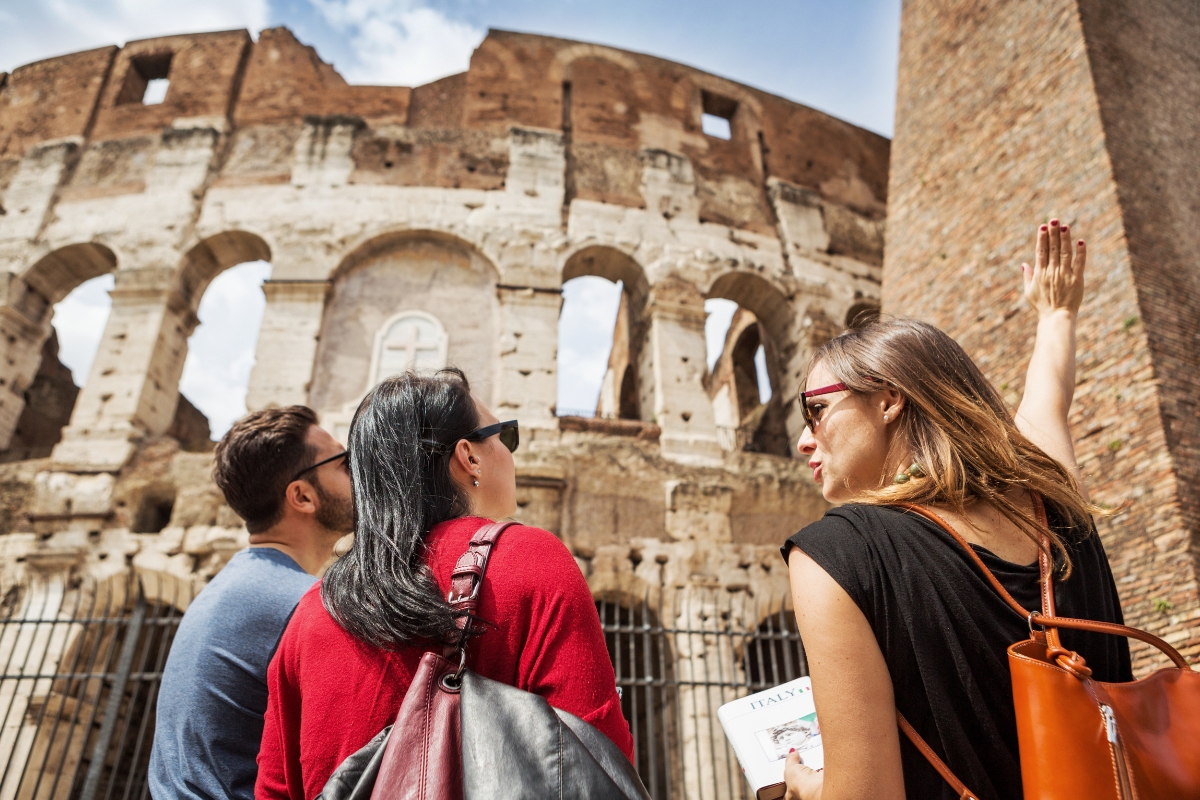

Italy is often introduced through its monuments, yet some of the most memorable cultural experiences in Italy begin when you look beyond them and start asking how people have lived, worked, celebrated and created in these places over time.
Culture here can be found in a conversation with a local guide, inside a family-run workshop, in the layout of a medieval town, or in traditions that still shape daily life.
Even in mountain regions, landscape and culture are closely connected. Exploring the things to do in the Dolomites and Alps, for example, means encountering not only extraordinary scenery but also Alpine villages, craftsmanship and Ladin traditions.
The most rewarding authentic cultural experiences in Italy help us understand why a place looks, feels and lives the way it does. Historic buildings become more meaningful when we know who commissioned them; a town square changes when we understand the rituals and social life that have unfolded there for centuries.
For travelers interested in history, architecture and local heritage, exploring Italy’s cultural attractions in Italy can be a starting point, but the real discovery often happens through the people and stories that connect those places to the present.
What Makes a Cultural Experience in Italy Authentic?
There is a difference between seeing a place and understanding it.
You can walk through a historic center, photograph an old church and admire a beautiful piazza on your own, but knowing why that piazza was built in a particular way, how the surrounding streets developed, or how residents have used the space over generations adds another dimension to the experience.
The best authentic cultural experiences in Italy create that connection between what you see and the story behind it.
Local guides are often the bridge between visitors and the people who give a place its character. In many parts of Italy, cultural traditions are still carried forward by small local communities, artisan groups, neighborhood associations and families who preserve skills, rituals and customs through everyday practice. Meeting the people behind these traditions helps travelers understand that Italian culture is not only something inherited from the past, but something that continues to evolve and remain part of daily life.
Authenticity does not necessarily mean searching for places nobody else knows. It means experiencing familiar and unfamiliar places with greater context and curiosity. And some of the most authentic Italian experiences are remarkably simple.

Explore Italy’s Historic Cities with a Local Guide
Italian cities are layered places: streets that seem ordinary at first glance may follow Roman routes; Renaissance buildings may stand beside medieval towers; markets and cafés often occupy spaces that have been gathering places for centuries.
This is why guided cultural tours in Italy can change the way you experience a city.
Take Bologna – its porticoes, narrow streets, university traditions and lively piazzas are interesting on their own, but their meaning becomes clearer when someone explains how the city evolved and how its architecture reflects centuries of commercial, academic and social life.
A Bologna walking tour with a local guide offers an opportunity to explore these connections at walking pace: instead of simply identifying buildings, a local guide can help you notice details, understand the relationship between different neighborhoods and see how historic spaces continue to function in contemporary Bologna.
Florence offers a different example. Its Renaissance heritage is famous worldwide, but understanding the city requires more than moving between masterpieces. The relationships among powerful families, artists, merchants, religious institutions and civic authorities shaped everything from architecture to public space.
A good guide can help connect those elements, turning sightseeing into one of the most rewarding cultural activities in Italy.
Discover Italian Art, Architecture and Craftsmanship
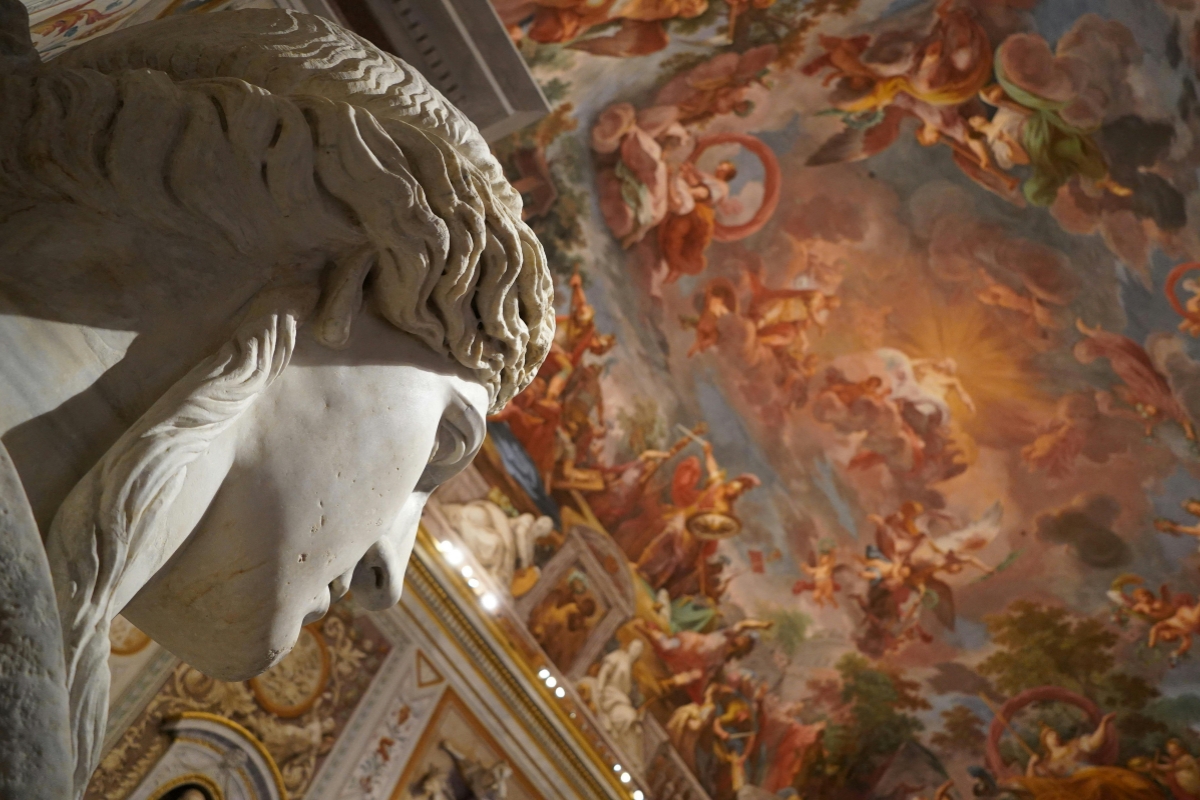
In Italy, art and architecture become much more meaningful when you understand who created them, who commissioned them and how they fitted into the life of a city. A fresco, a church façade or a noble residence was rarely conceived as an isolated object: each reflected the religious, political and social world of its time.
This historical context is what turns museums, churches and palaces into more rewarding Italian cultural experiences. It also reveals how closely art and architecture are connected to the development of Italian cities. Public buildings, places of worship and private residences often tell us how wealth, civic power, trade and religious institutions shaped neighborhoods and influenced the way cities expanded over the centuries.
For travelers interested in cultural travel in Italy, this perspective can make even a familiar landmark feel different. Instead of simply admiring a work of art or an elegant building, you begin to see it as part of a wider story involving patrons, artists, craftsmen and the community around them.
That story continues beyond museums and historic monuments. Across Italy, small botteghe and artisan workshops still preserve traditional skills, sometimes through techniques handed down within families or local communities. Visiting these spaces offers a chance to see how cultural heritage is kept alive through everyday work.
Depending on the region, this might mean watching a ceramicist shape and decorate clay, discovering the precision of mosaic work, or learning about traditional leather, glass and textile production. Woodworking, metalwork, restoration and other forms of craftsmanship also remain closely tied to local identity.
Experience Historic Towns and Cultural Landscapes
One of the pleasures of traveling through Italy is discovering how closely architecture and landscape are connected.
Historic towns were rarely built at random: their locations depended on defense, agriculture, pilgrimage routes, trade and access to natural resources. Vineyards, olive groves, city walls, towers and rural settlements are all part of the same historical landscape.
That relationship becomes especially visible in places such as Siena, San Gimignano, Orvieto, Assisi and Montepulciano.
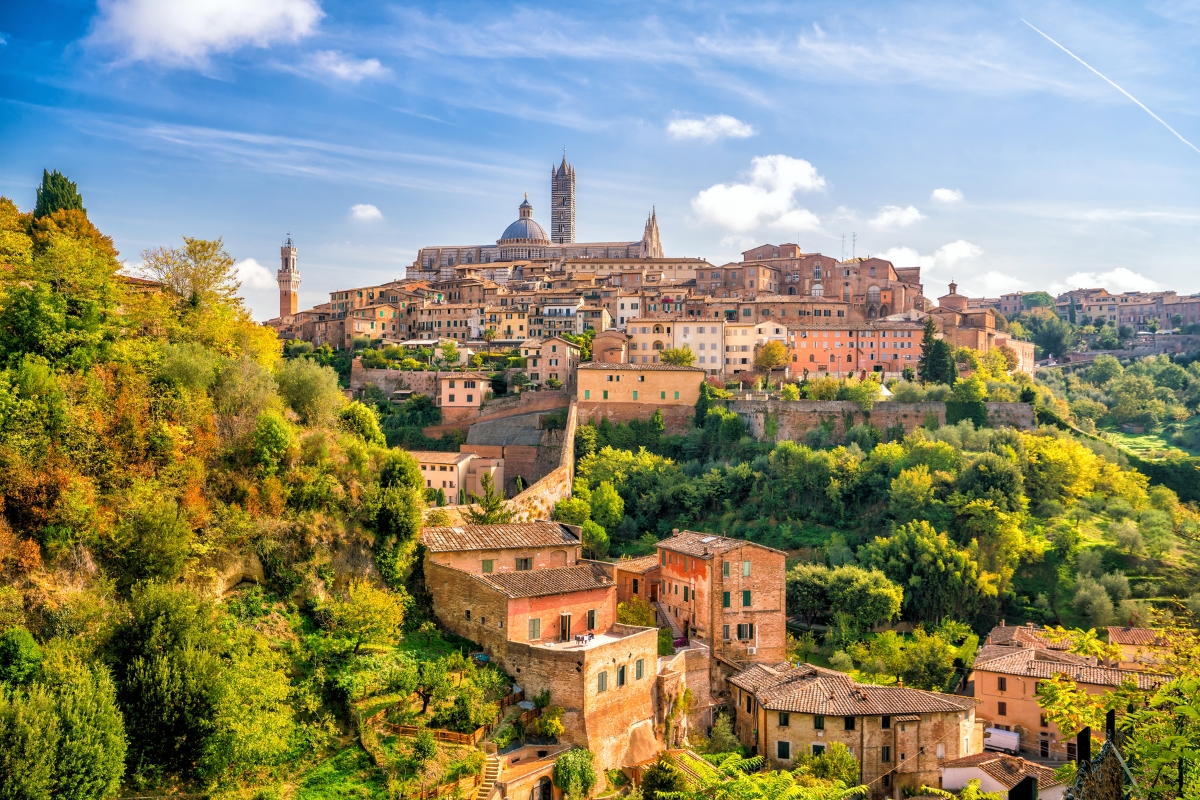
Siena‘s historic identity, for example, cannot be separated from the surrounding Tuscan countryside or from the civic traditions that continue to shape the city today.
San Gimignano‘s distinctive skyline tells a story of medieval wealth and competition, while the vineyards and agricultural landscape around it reveal another side of local history.
A day trip from Florence to Siena, San Gimignano and Pisa can therefore become more than an excursion between famous destinations. With the right context, it becomes a way of understanding how Tuscany’s towns developed in relation to commerce, agriculture, religion and geography.
Further south, Orvieto rises dramatically above the Umbrian countryside, while Assisi‘s architecture and religious heritage are inseparable from the surrounding landscape. Montepulciano tells another story, shaped by Renaissance architecture, agriculture and centuries of wine production.
These local experiences in Italy encourage travelers to slow down and look at a town as a whole rather than moving quickly between individual sights.
Some of the most rewarding authentic Italian experiences happen in these quieter moments: walking along an old street after the day visitors have left, sitting in a piazza and observing local routines, or noticing how the architecture changes as a town meets the countryside.
How to Choose the Right Cultural Experience in Italy
Not every traveler is interested in the same aspect of Italian culture. The best experience is usually the one that reflects your own curiosity.
Before choosing among guided cultural tours in Italy, think first about what you genuinely want to understand. Art lovers may prefer an experience led by an art historian, while travelers fascinated by architecture may enjoy exploring how a city developed over different historical periods. Others may be more interested in craftsmanship, religious history, archaeology or everyday traditions.
The format matters too: private tours allow more flexibility and conversation, particularly if you already have a specific interest. Small-group tours can offer a sociable experience while still providing opportunities to interact with the guide.
Duration is another important consideration. A two-hour walk can provide an excellent introduction to a city, while a half-day or full-day experience allows more time to explore a theme in depth.
When comparing cultural experiences in Italy, it is worth considering…
- Your interests: history, art, architecture, craftsmanship, religion or local traditions.
- Group size: private experiences offer maximum flexibility, while small groups can combine personal attention with a shared atmosphere.
- Duration: choose a pace that leaves enough time for conversation rather than trying to cover too much.
- Guide expertise: look for guides whose knowledge matches the subject you want to explore.
- Accessibility: historic centers often include uneven streets, stairs and pedestrian areas, so discuss mobility requirements in advance.
- Personalization: a flexible itinerary can be particularly valuable for travelers with specific cultural interests.
The number of places included should not be the main measure of quality. A thoughtful morning spent understanding one neighborhood can sometimes reveal more about Italy than a day spent rushing between several famous landmarks.
Plan Your Cultural Journey Through Italy
Cultural travel is ultimately about connection: between buildings and the people who created them, between landscapes and the communities that shaped them, and between centuries-old traditions and everyday Italian life today.
The most memorable journeys leave room for those connections to develop naturally.
If culture, history and local traditions are at the heart of the way you like to travel, explore our cultural Italy tours and discover experiences that can be adapted around the places, stories and traditions that interest you most.


